- 10:00 am - 08:00pm -Mon to Sat
- +919714711992

PROFILED POLYCARBONATE SHEET
All Services
Working Process
- Pricing Plan 2025
- Delivery Plans
- Transland Transport
How we can help you?
Ronquil coho salmon red snapper duckbill lungfish southern
Contact
+012 (345) 67 89
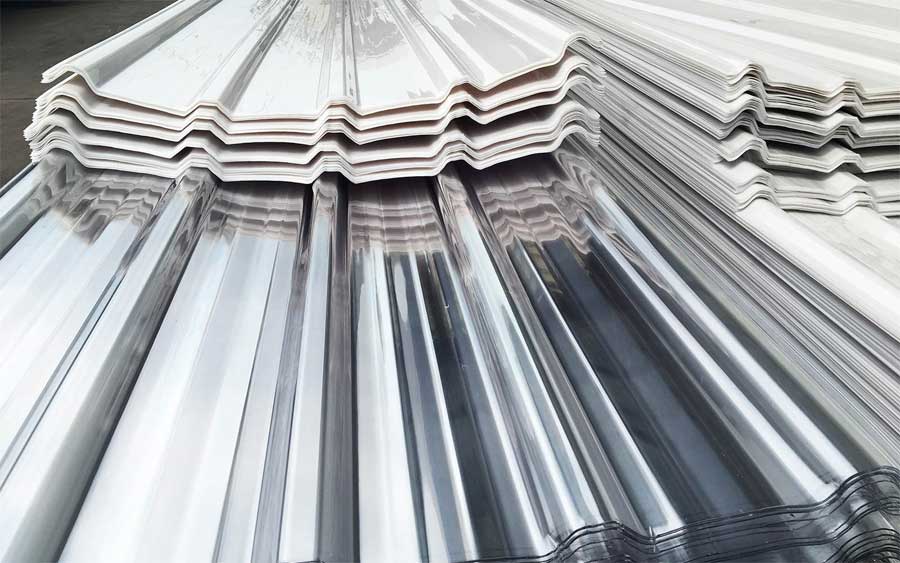
PROFILED POLYCARBONATE SHEET
Profiled Polycarbonate Sheets (often called Corrugated Polycarbonate) are the professional’s choice for integrating natural light into metal or fiber-cement roofing systems. Designed to match standard industrial profiles, these sheets provide a seamless, leak-proof lighting solution that combines the strength of polycarbonate with the structural rigidity of a corrugated shape.
Key Features & Benefits
-
Profile Matching: Engineered to match most common metal roofing profiles (Sinus, Greca, Trapezoidal), allowing for easy integration without complex flashing.
-
High Impact Resistance: Virtually unbreakable—tested to withstand heavy hail, falling debris, and extreme weather conditions.
-
Maximum Light Entry: Provides high levels of natural illumination, reducing the need for artificial lighting during the day.
-
UV Protection: Equipped with a high-performance UV-protective layer that filters out 99.9% of harmful rays while protecting the sheet from aging.
-
Low Maintenance: The corrugated shape facilitates natural cleaning; rainwater washes away dust and debris more effectively than on flat surfaces.
-
Cost-Effective: Lightweight and easy to handle, reducing labor costs and the need for heavy-duty support frames.
Common Applications
| Sector | Common Uses |
| Industrial | Factory roof lights, warehouse skylights, and side-wall glazing. |
| Agricultural | Greenhouse roofing, poultry farm lighting, and barn windows. |
| Residential | DIY patio covers, carports, deck roofing, and sheds. |
| Commercial | Sports stadium canopies, walkway covers, and outdoor markets. |
Installation Best Practices
-
Overlap Direction: Always install the overlap facing away from the prevailing wind direction to prevent water ingress.
-
Fastening: Use EPDM-integrated “Storm Washers” to distribute pressure evenly and ensure a watertight seal at the fixing points.
-
Pre-Drilling: Always pre-drill holes 2mm–3mm larger than the screw diameter to allow for thermal expansion.
-
Minimum Pitch: For effective water runoff, we recommend a minimum roof pitch of 5° to 10°.